
One map, many cultures
Dacher Keltner and his colleagues at the University of California, Berkeley collected thousands of awe stories from people around the world. Different cultures told them in different ways, but the stories sorted into eight categories. Keltner calls them the eight wonders of life, and they are the backbone of his book Awe: The New Science of Everyday Wonder and How It Can Transform Your Life (2023).
Some of these wonders are big and rare. Most are hiding in an ordinary week.
1 Moral beauty

Other people's courage, kindness, strength, and ability to overcome. This was the most common source of awe in the cross-cultural study -- and over 95 percent of these stories involved someone acting on behalf of others.
Where you might find it
- A stranger who stops to help without being asked
- A nurse, teacher, or caregiver who goes far beyond the job
- Someone who rebuilds their life after a huge loss
- A friend who tells the truth when it is hard
Notice it
Today, watch for one act of goodness, even a small one. Let yourself feel it instead of scrolling past.
2 Collective effervescence

A term from sociologist Emile Durkheim for the electric feeling of moving in sync with other people. When a crowd breathes, sings, or cheers together, the boundary between "me" and "us" gets thin.
Where you might find it
- Singing with a crowd at a concert
- A stadium roaring at the same moment
- Dancing at a wedding
- A community coming together after a storm
Notice it
Next time you are in a group that moves or sings together, notice the moment you stop feeling like one person and start feeling like part of something.
3 Nature

The wonder most people think of first: storms, stars, oceans, mountains, animals, and the endless detail of living things. Nature can be huge, like a canyon, or tiny, like the veins of a leaf.
Where you might find it
- A night sky away from city lights
- Thunder rolling across a valley
- A hummingbird at a feeder
- The first green shoots after a fire
Notice it
Find one natural thing you can see from where you are right now -- a cloud, a plant, a bird, the light. Look at it for one full minute.
4 Music
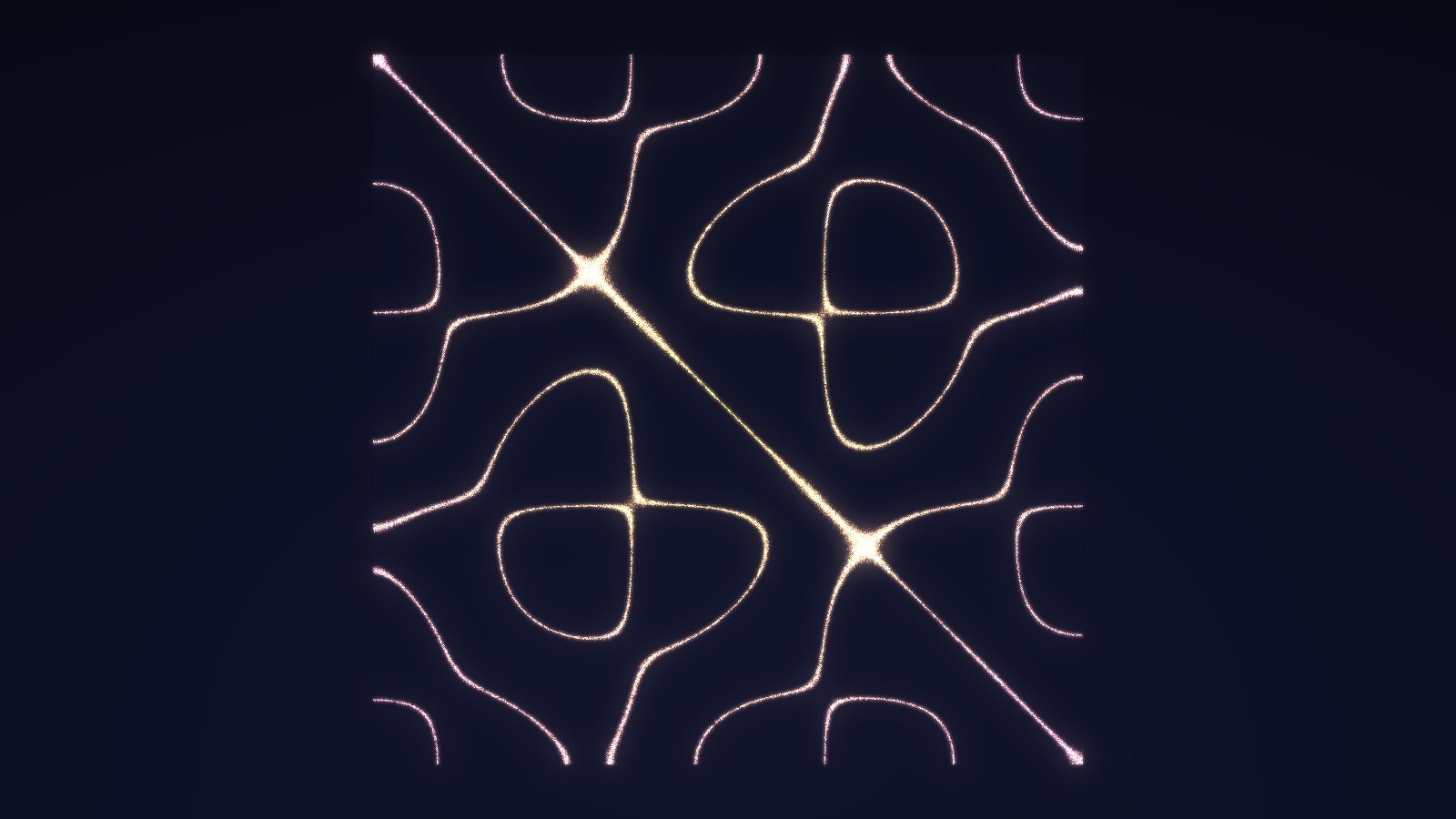
Music can lift the hair on your arms and bring tears without a single word. Some of the most common body signs of awe -- chills and goosebumps -- show up again and again in music.
About the image: when sand is sprinkled on a metal plate and the plate is made to vibrate with sound, the sand gathers into shapes called Chladni patterns. It is sound you can see.
Where you might find it
- A song that shaped your teenage years
- A choir hitting a big chord
- A live band locking into a groove
- A lullaby someone once sang to you
Notice it
Play one song that moves you. Close your eyes and do nothing else for the whole song.
5 Visual design
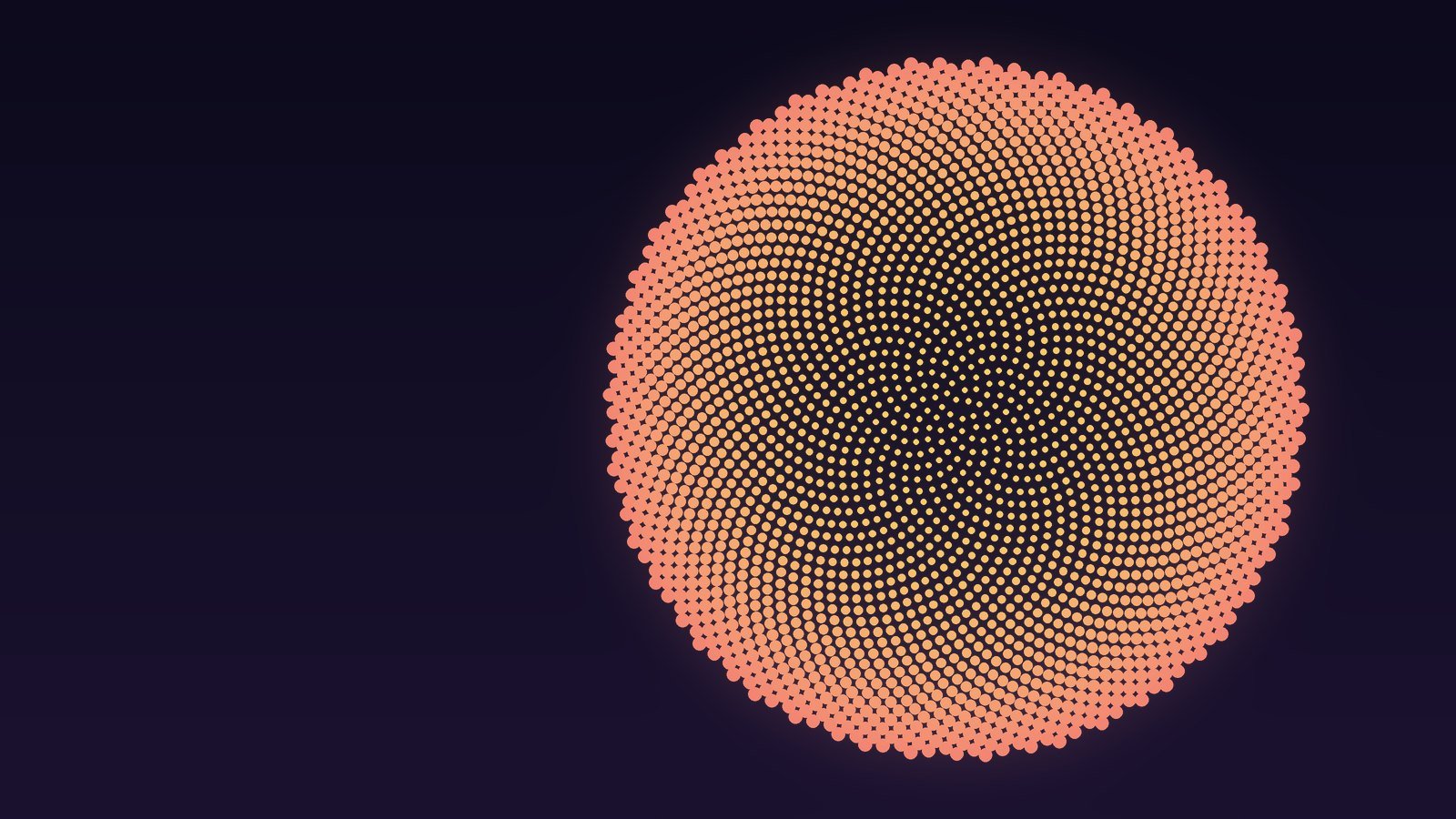
Art, architecture, and patterns -- human-made and natural -- that stop you in your tracks. A cathedral ceiling, a great painting, or the perfect spiral in a sunflower.
About the image: each dot is placed at the golden angle (about 137.5 degrees) from the last. Sunflowers pack their seeds the same way.
Where you might find it
- A bridge, tower, or building that makes you look up
- A painting you could stand in front of for an hour
- The spirals in a pinecone, shell, or sunflower
- A beautifully made tool or object
Notice it
Look closely at something well designed near you -- a staircase, a chair, a book cover. Ask yourself how many decisions went into it.
6 Spiritual and mystical awe

A feeling of connection to something sacred or transcendent. For some people it comes through religion and prayer. For others it comes through meditation, silence, or a sense of oneness with everything.
Where you might find it
- Prayer, worship, or sacred music
- Meditation or deep silence
- Light pouring into a quiet room
- A feeling that everything is connected
Notice it
Sit in silence for three minutes -- no music, no phone. Notice what fills the space.
7 Big ideas and epiphanies

The moment something finally clicks. A scientific theory, a mathematical proof, a new understanding of yourself, or a single sentence in a book that reorganizes everything you thought you knew.
Where you might find it
- Learning that you are made of atoms forged in stars
- Finally understanding how something works
- A sudden insight about your own life
- A conversation that changes your mind
Notice it
Learn one thing today that genuinely surprises you. The Wow Facts page is a good place to start.
8 Life and death
The beginning and end of life -- a birth, a death, the long arc of growing older. These moments are some of the most profound people ever experience, and they often bring awe and grief together.
Where you might find it
- Holding a newborn
- Being present with someone at the end of their life
- Seeing your parents in your own face
- Watching a child become an adult
Notice it
Think of someone who came before you and made your life possible. Spend a minute with the fact that you exist at all.
Your own map
Which of the eight wonders show up most in your life? Which ones have you not felt in a long time? There are no wrong answers. Most people find that one or two wonders are their "home base" -- and that the others are waiting for an invitation.
Try it
Write down the last time you felt each wonder. If you cannot remember one, that is your invitation for this week.
Source
- Keltner, D. (2023). Awe: The New Science of Everyday Wonder and How It Can Transform Your Life. Penguin Press.
- Greater Good Science Center. What's the Most Common Source of Awe?