
How scientists define awe
In 2003, psychologists Dacher Keltner and Jonathan Haidt proposed a definition that most awe research still uses. Awe has two key ingredients:
- Perceived vastness -- something that is much larger than you. It can be physically huge, like a mountain, or vast in another way, like great skill, great kindness, or a huge idea.
- A need for accommodation -- your mind has to stretch and update how it understands the world to make room for what you just experienced.
Your body often joins in. Common signs include goosebumps, chills, tears, a slower breath, widened eyes, a dropped jaw, and the little sound people make all over the world: "whoa."
Awe gives you a healthy "small self"
In one sentence
Awe makes your own worries feel smaller and your connection to the world feel bigger.
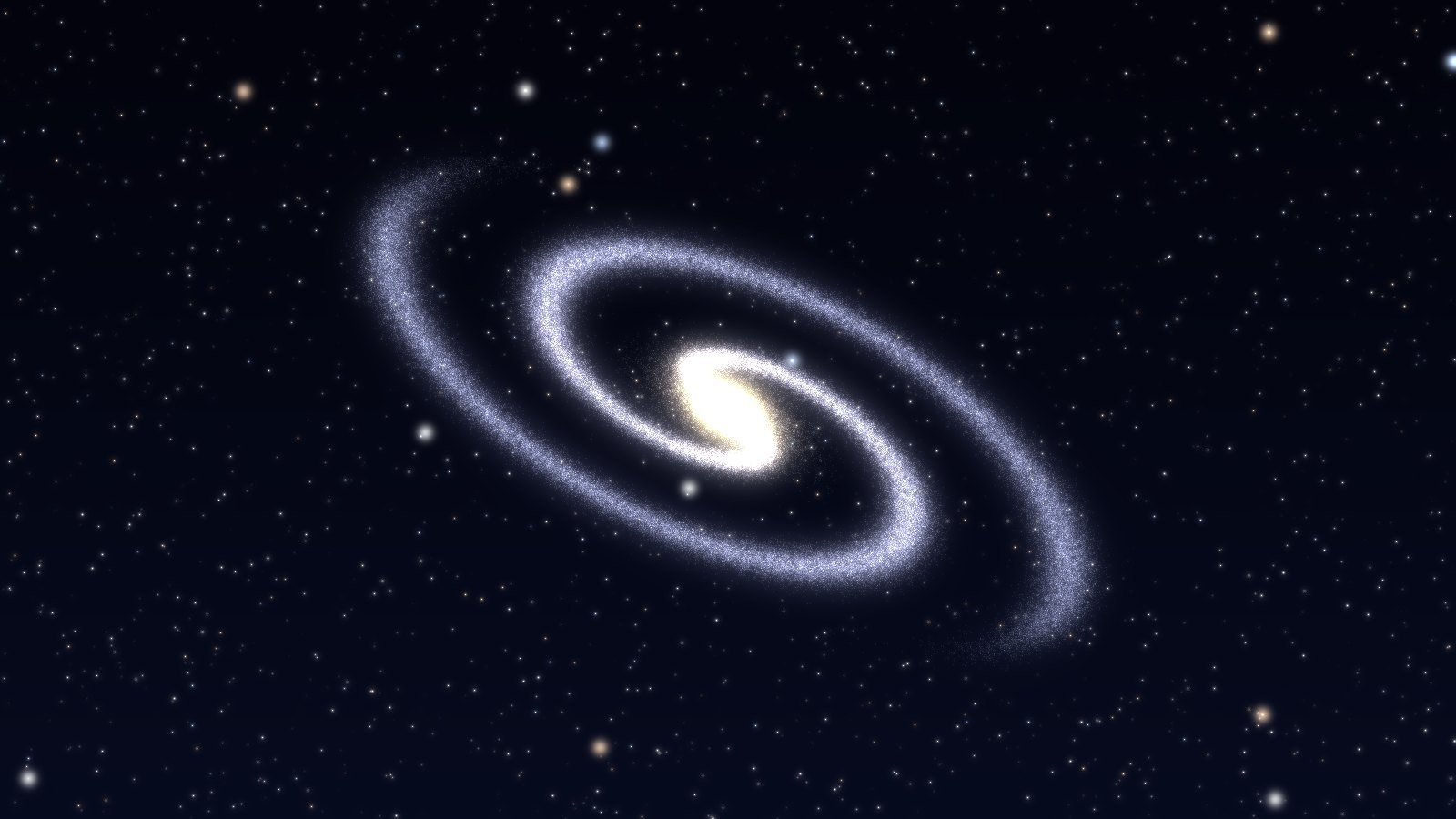
Researchers call this the small self. It is not low self-esteem. It is perspective: the sense that you are one part of something enormous. People who feel awe often report that their everyday stress shrinks to its true size, and that they feel more connected to other people and to nature.
The study: In the awe walk study described below, participants who looked for awe took selfies in which they gradually took up less of the frame -- the scenery around them took up more -- and their smiles got bigger.
Awe makes people kinder
In one sentence
Just one minute of looking up at tall trees made people more helpful.

When your sense of self gets smaller, your attention turns outward -- toward other people. Across several experiments, people who felt awe were more generous, more ethical in their decisions, and more willing to help.
The study: Paul Piff and colleagues (Journal of Personality and Social Psychology, 2015) had some participants look up at a grove of towering eucalyptus trees on the UC Berkeley campus for one minute, while others looked at a tall building. Then a researcher "accidentally" dropped a handful of pens. The people who had looked at the trees picked up more pens to help.
Awe gives you more time
In one sentence
People who felt awe felt like they had more time available -- and became more patient and more willing to volunteer.

Time pressure is one of the most common complaints of modern life. Awe seems to bring you fully into the present moment, and the present moment feels roomy.
The study: Melanie Rudd, Kathleen Vohs, and Jennifer Aaker (Psychological Science, 2012) found across three experiments that people who felt awe reported having more time, were more patient, were less interested in material things, and were more willing to give their time to help others.
Awe and a calmer body
In one sentence
People who feel awe more often had lower levels of a marker of inflammation.

Chronic inflammation is linked to many health problems. Researchers wanted to know whether everyday positive emotions are connected to it.
Honest caveat
This was a correlation, not proof that awe causes lower inflammation. The researchers themselves noted that the relationship could run either way. It is a promising clue, not a prescription.
The study: Jennifer Stellar and colleagues (Emotion, 2015) studied more than 200 young adults. Of all the positive emotions they measured -- including amusement, compassion, contentment, joy, love, and pride -- awe, wonder, and amazement were most strongly linked to lower levels of interleukin-6 (IL-6), a marker of inflammation.
The awe walk study
In one sentence
A 15-minute walk each week, done with an eye for awe, boosted positive emotions and reduced daily distress.
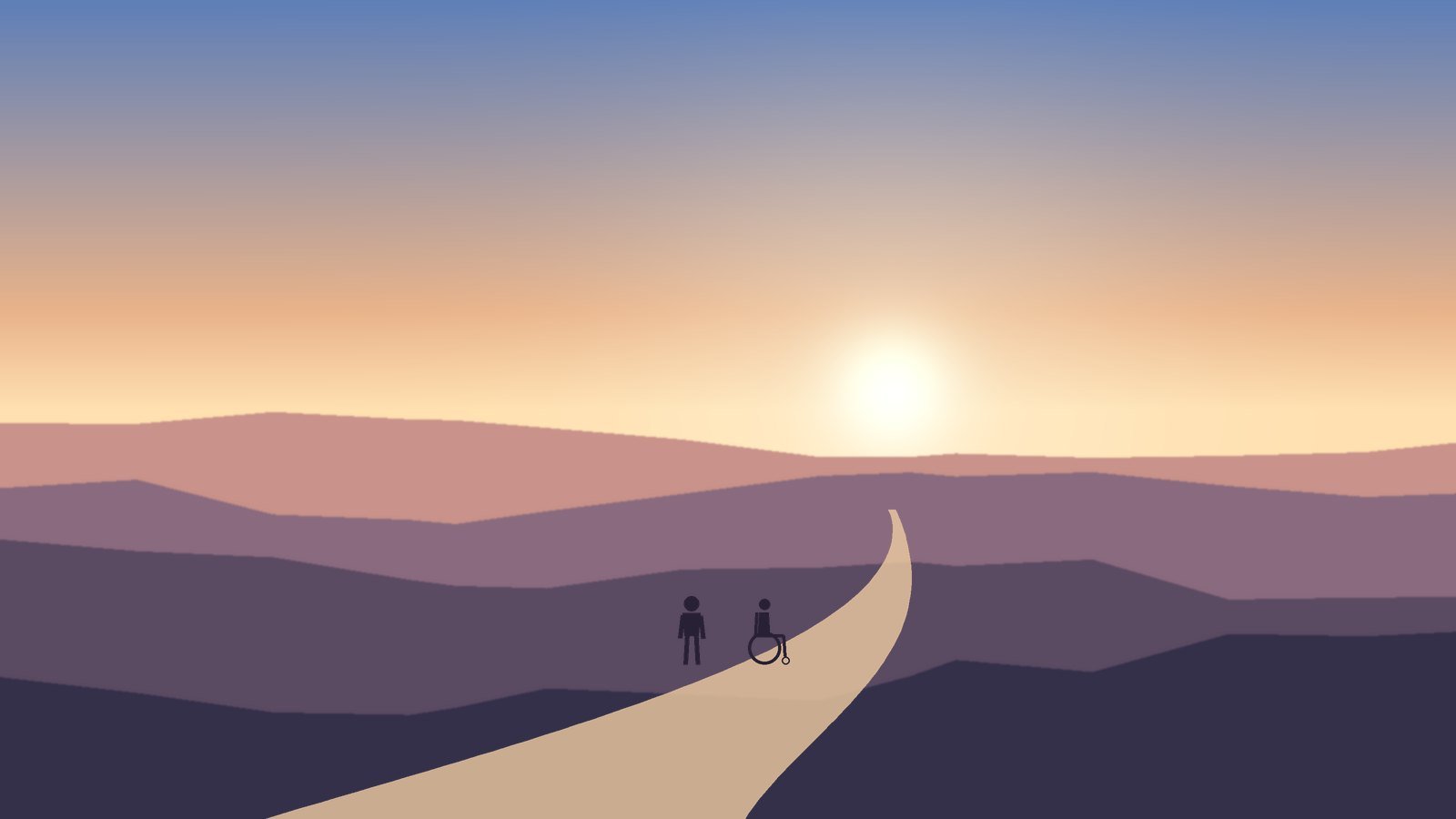
This study is one of the clearest real-world tests of awe. It did not happen in a lab. It happened on ordinary walks around people's own neighborhoods.
- Who: 52 healthy older adults
- How long: 8 weeks
- What: at least one 15-minute walk per week. Half were taught about awe and asked to look for it. The other half just walked.
- Result: the awe group reported more prosocial positive emotions like compassion and gratitude, and less distress in daily life. The regular walkers did not show the same changes, even though they walked more often.
The study: Virginia Sturm, Dacher Keltner, and colleagues at UC San Francisco and UC Berkeley (Emotion, 2020). Try an awe walk yourself.
What we still do not know
Awe research is young and exciting, and it is worth being honest about its limits:
- Many studies are small, and many take place in labs with college students.
- Some findings are correlations, which cannot prove cause and effect.
- Awe is not a cure for depression, illness, or hard circumstances. It is one good thing among many.
- Awe can sometimes include fear -- a wildfire or a storm can be awe-inspiring and threatening at once. Most of the benefits come from the positive kind.
Still, the overall direction is hopeful and consistent: noticing wonder seems to make people a little kinder, calmer, more connected, and less rushed. That is a pretty good return for looking up.
Sources
- Keltner, D., and Haidt, J. (2003). Approaching awe, a moral, spiritual, and aesthetic emotion. Cognition and Emotion.
- Piff, P. K., et al. (2015). Awe, the small self, and prosocial behavior. Journal of Personality and Social Psychology. Summary: Greater Good Science Center.
- Rudd, M., Vohs, K. D., and Aaker, J. (2012). Awe expands people's perception of time, alters decision making, and enhances well-being. Psychological Science. Summary: ScienceDaily.
- Stellar, J. E., et al. (2015). Positive affect and markers of inflammation. Emotion. Summary: Berkeley News.
- Sturm, V. E., et al. (2020). Big smile, small self: Awe walks promote prosocial positive emotions in older adults. Emotion. Summary: UCSF.
- Keltner, D. (2023). Awe: The New Science of Everyday Wonder and How It Can Transform Your Life. Penguin Press.